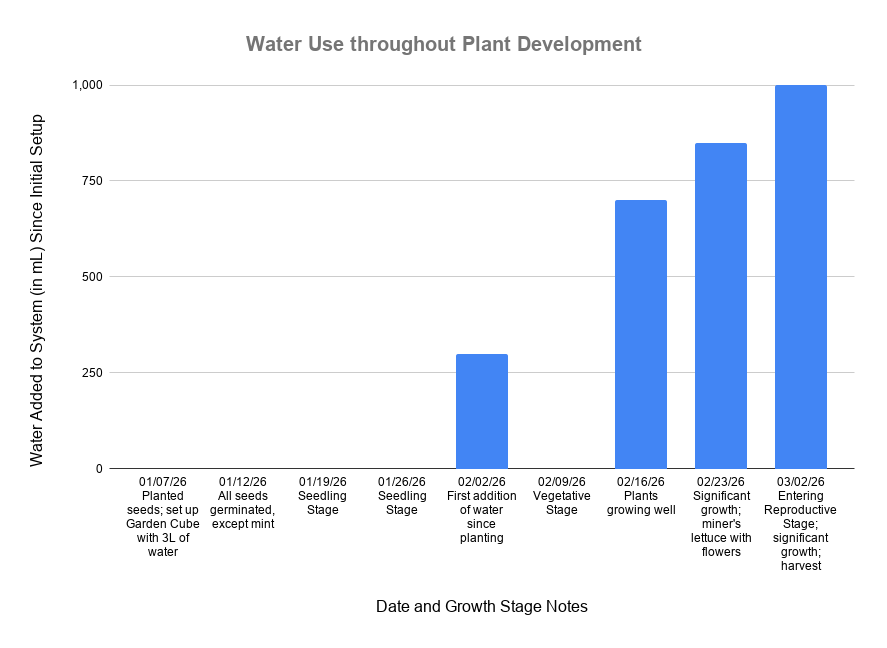
Here’s a chart of the water usage since initial planting. It better displays the plants’ low initial water use during germination and seedling growth, which then quickly accelerates as the plants grow leaves in the vegetative stage. It would be neat to attach a photo to each date.
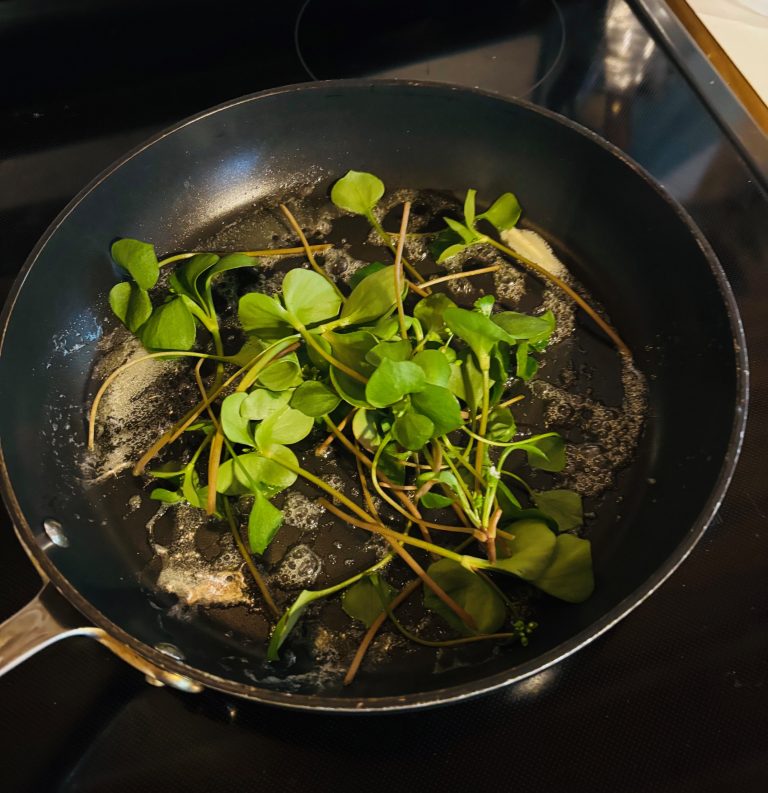
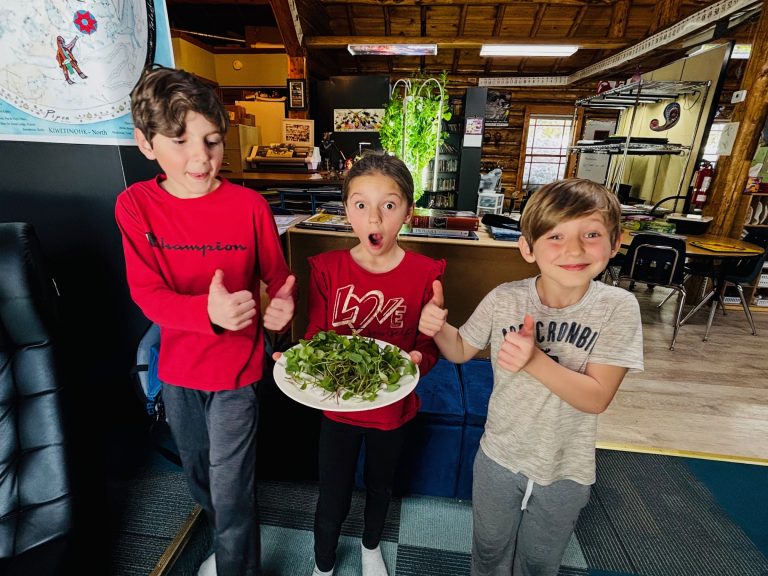
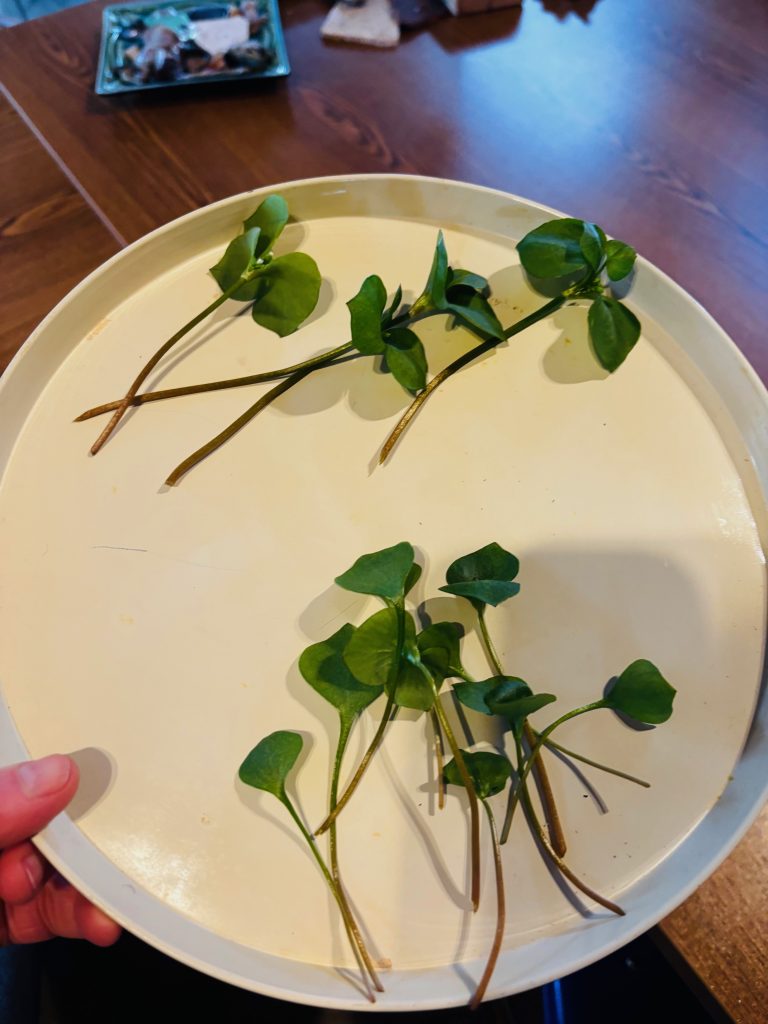
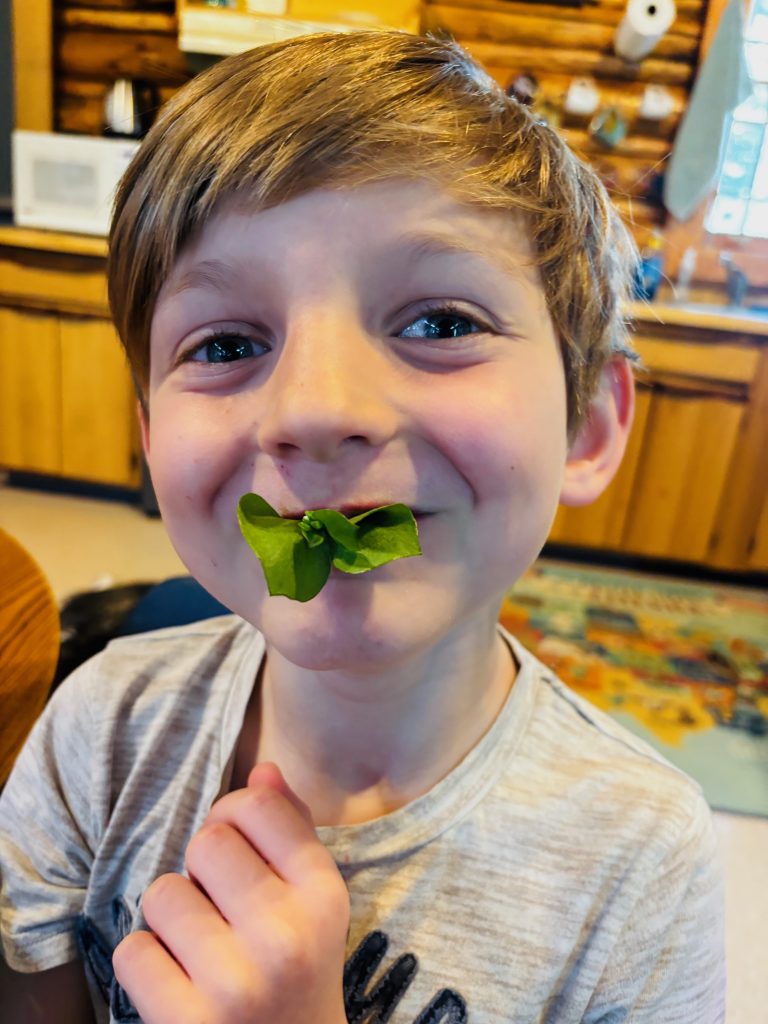
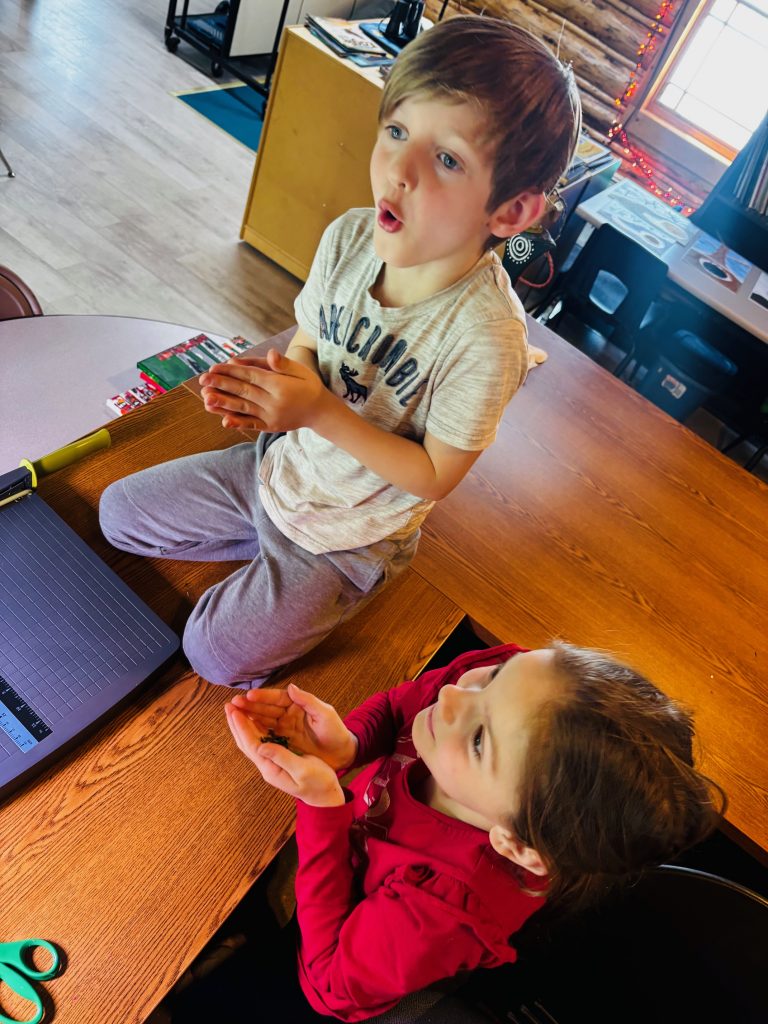
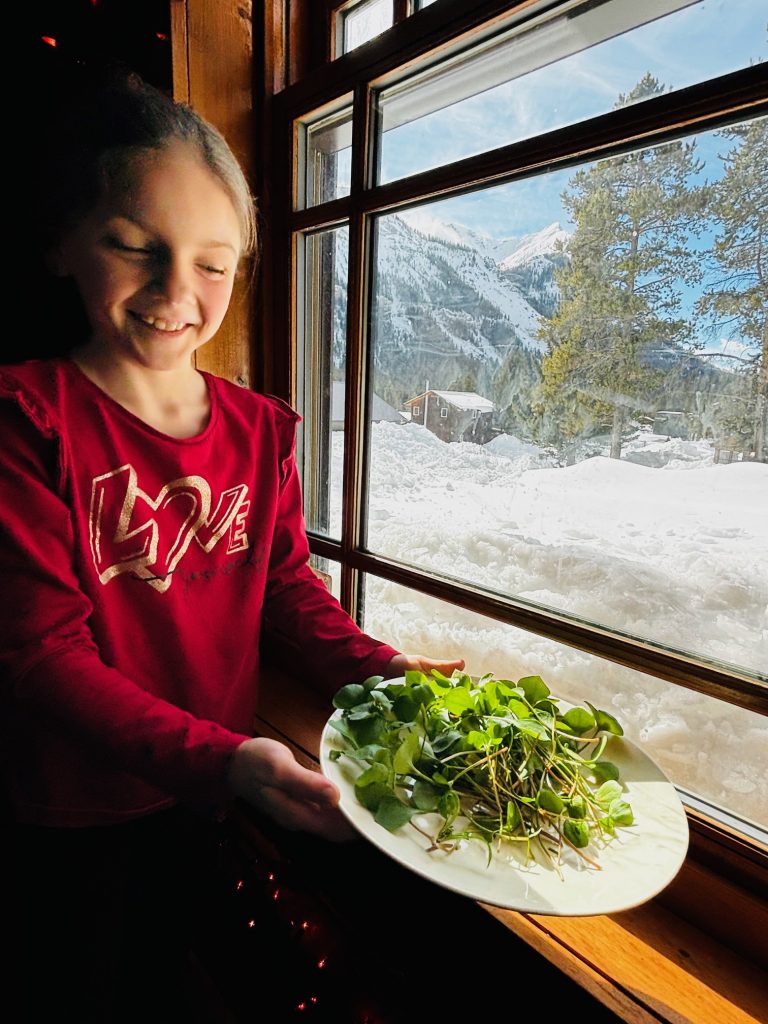
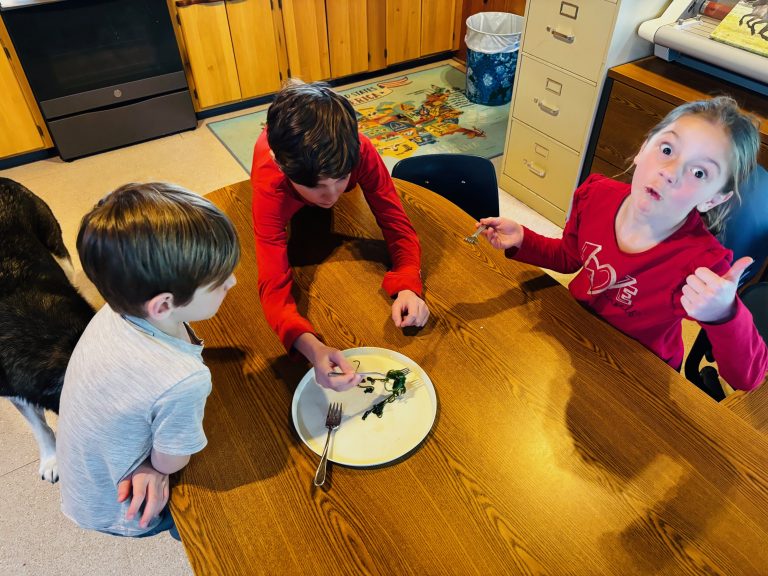
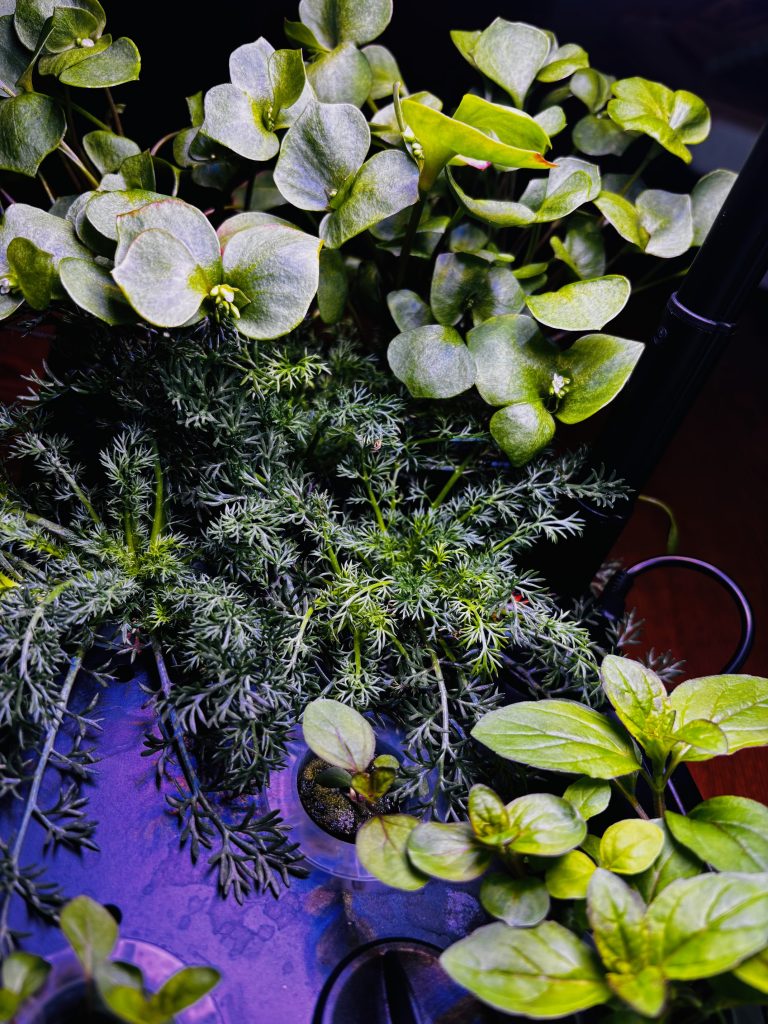
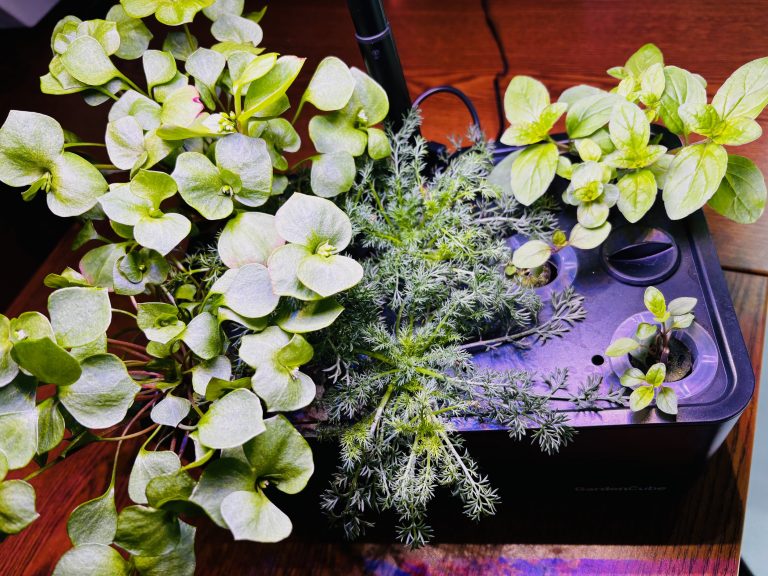
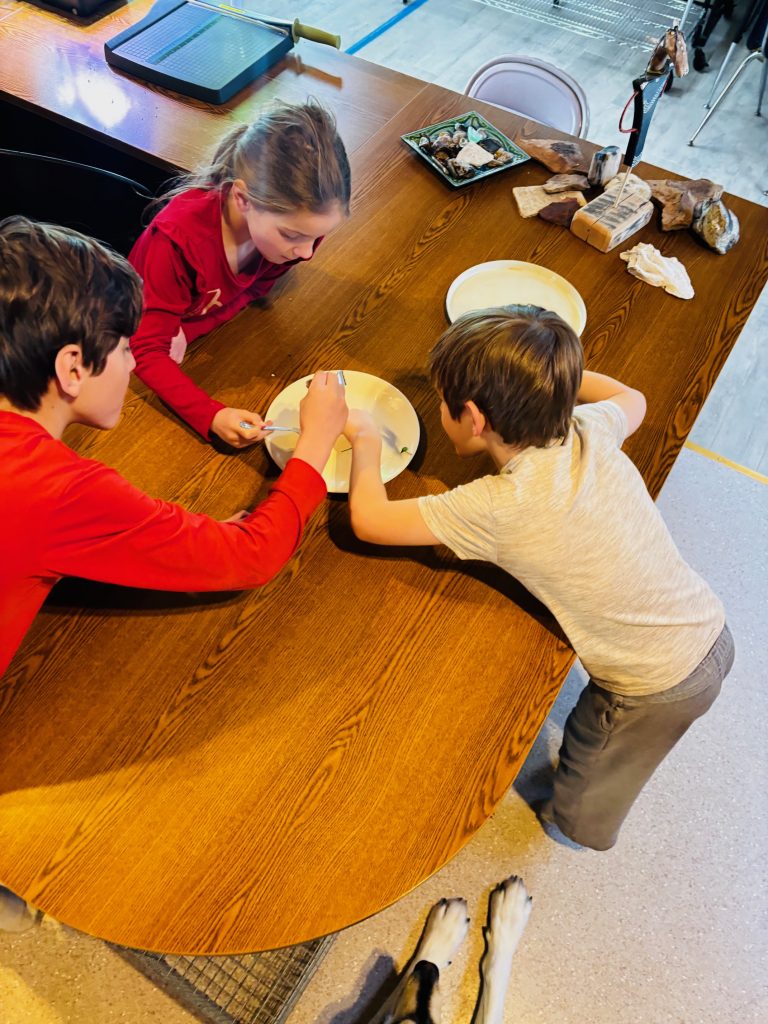
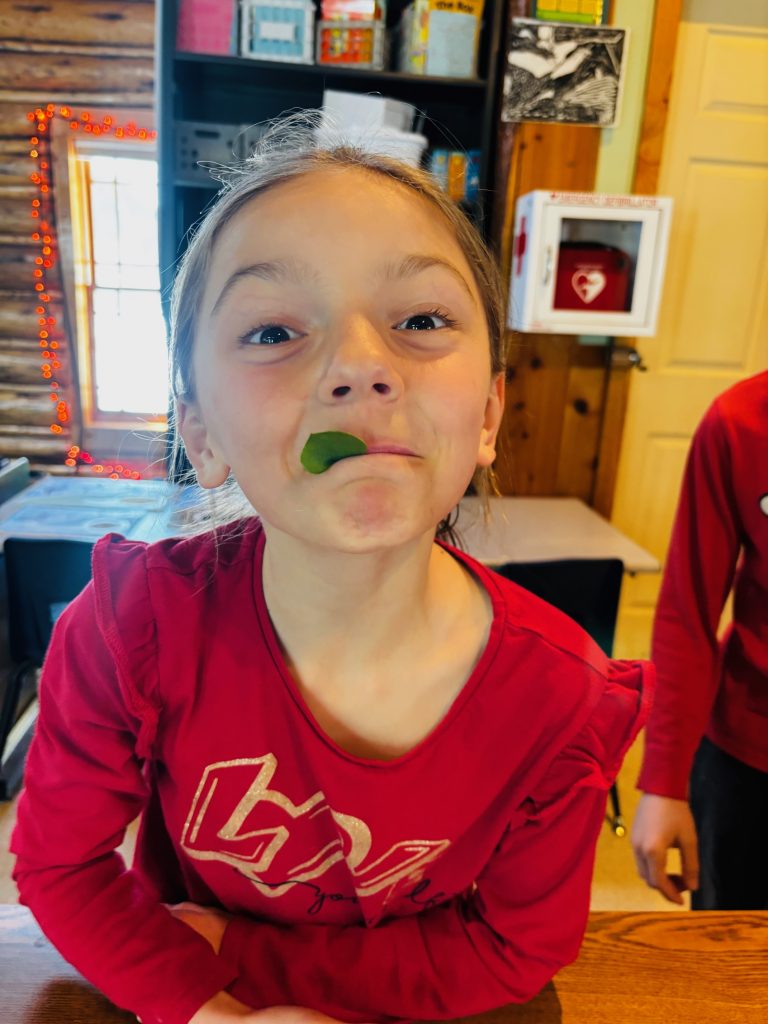
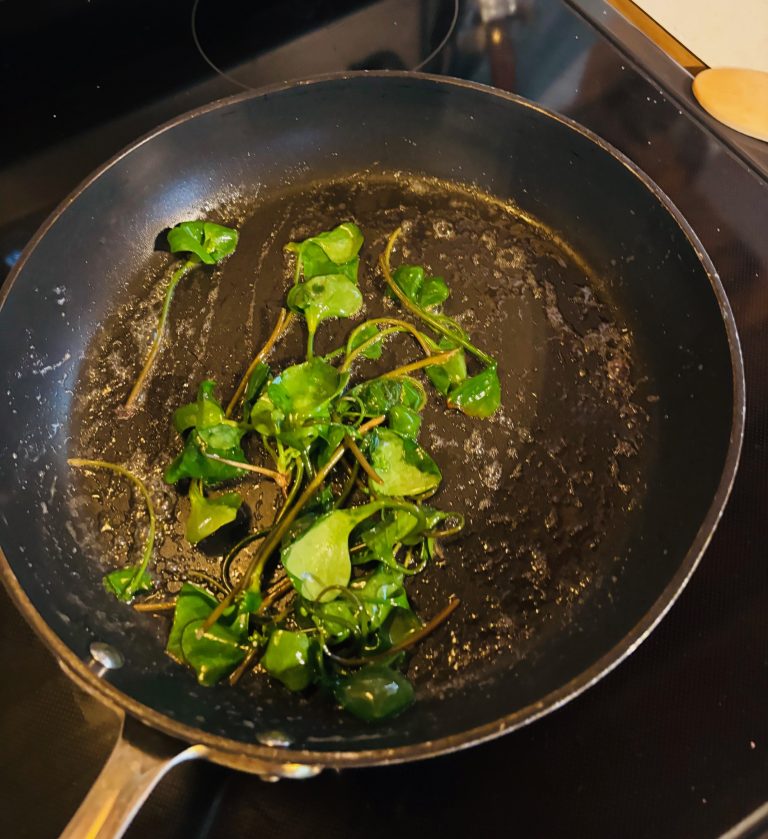
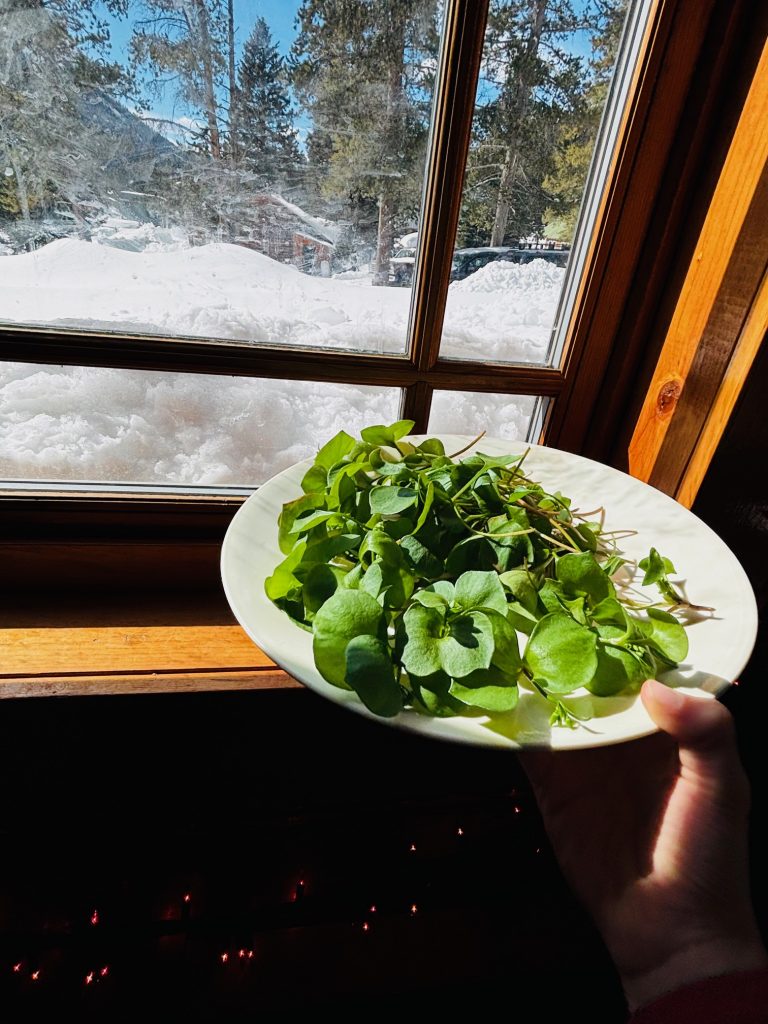
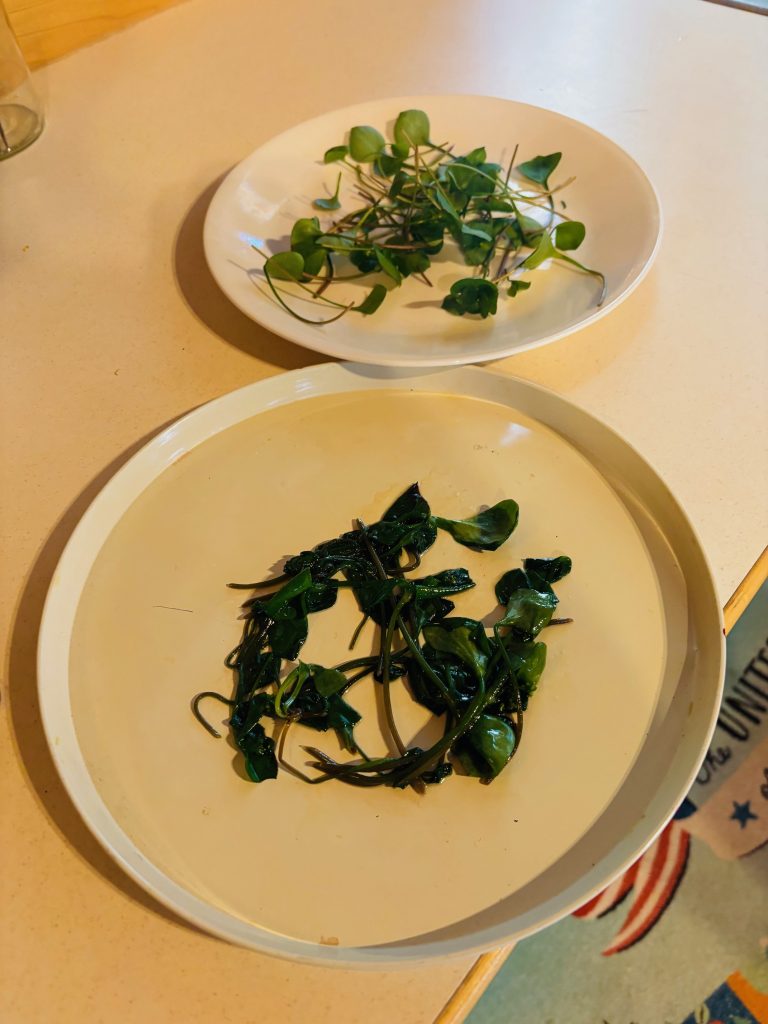
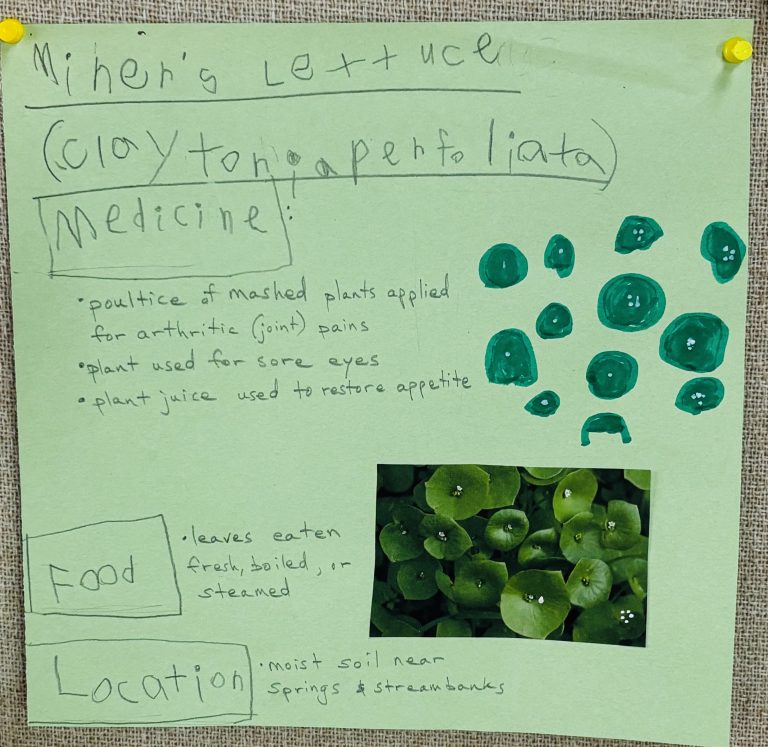
Wow! Today (2/26/26), we harvested the miner’s lettuce. We separated some of the younger stems with leaves from the larger more developed stems whose leaves have flowers then compared the raw flavors. The younger leaves have a more nutty flavor, and the older leaves are slightly bitter. We agree both are delicious fresh!
However, the sauteed plants are spectacular. The leaves have a silky texture in your mouth, and the flavor is better than sauteed spinach. The students kept repeating, “Wow! That is SO good! Yum!!” We wish we had more miner’s lettuce plants growing.
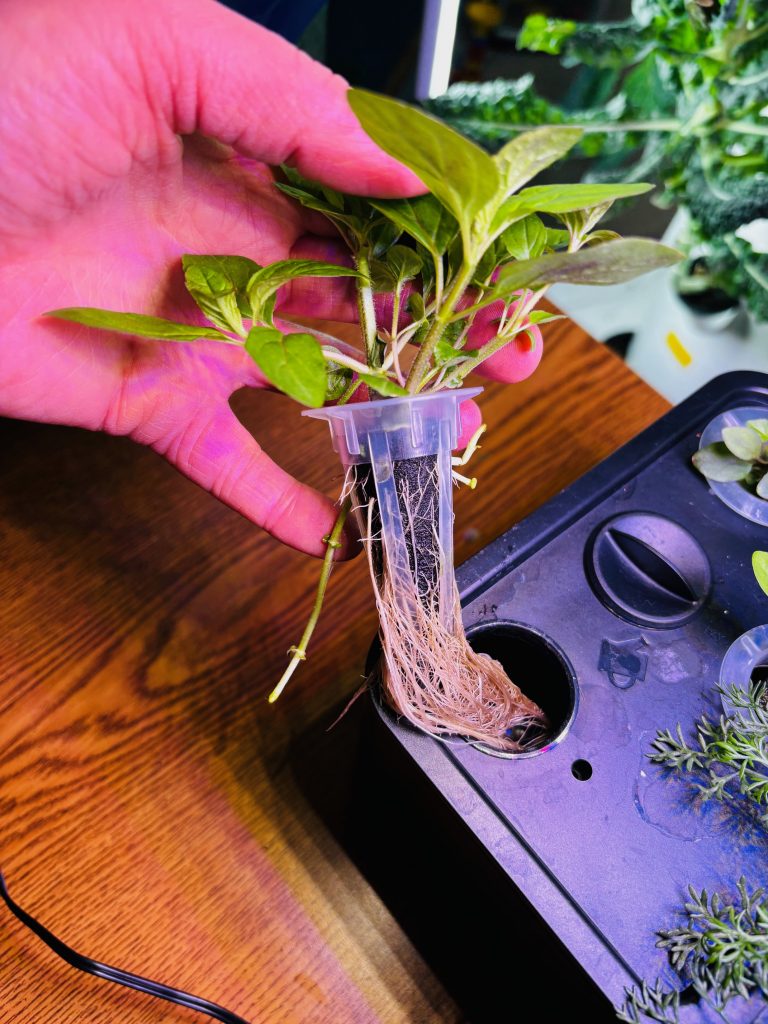
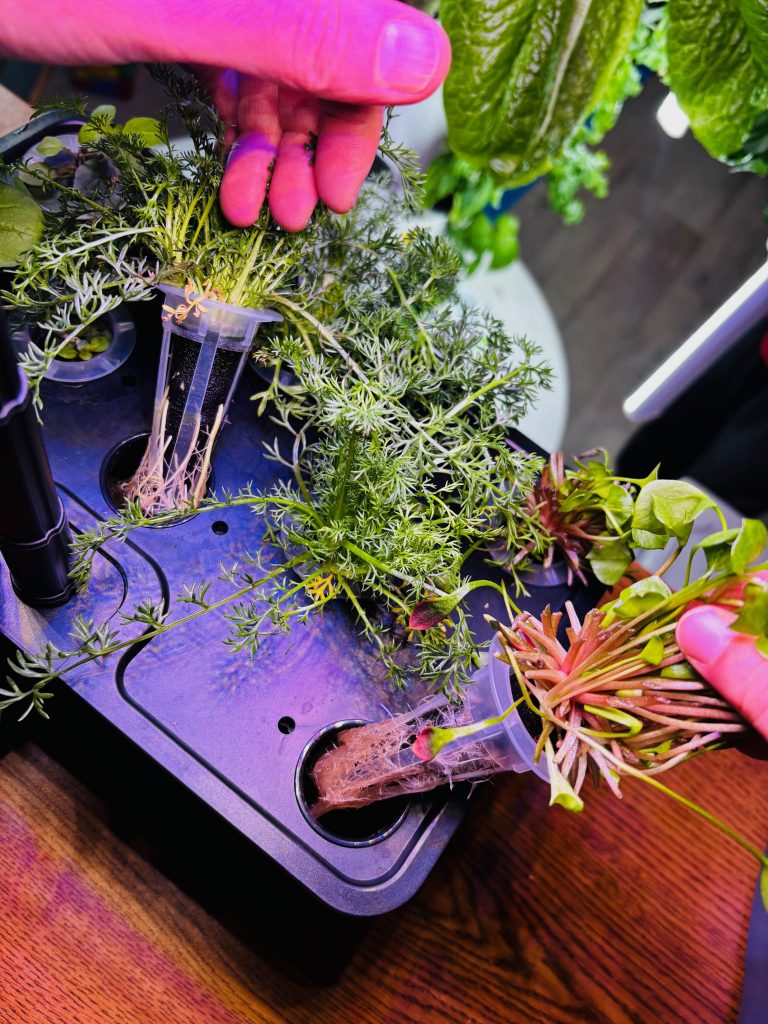
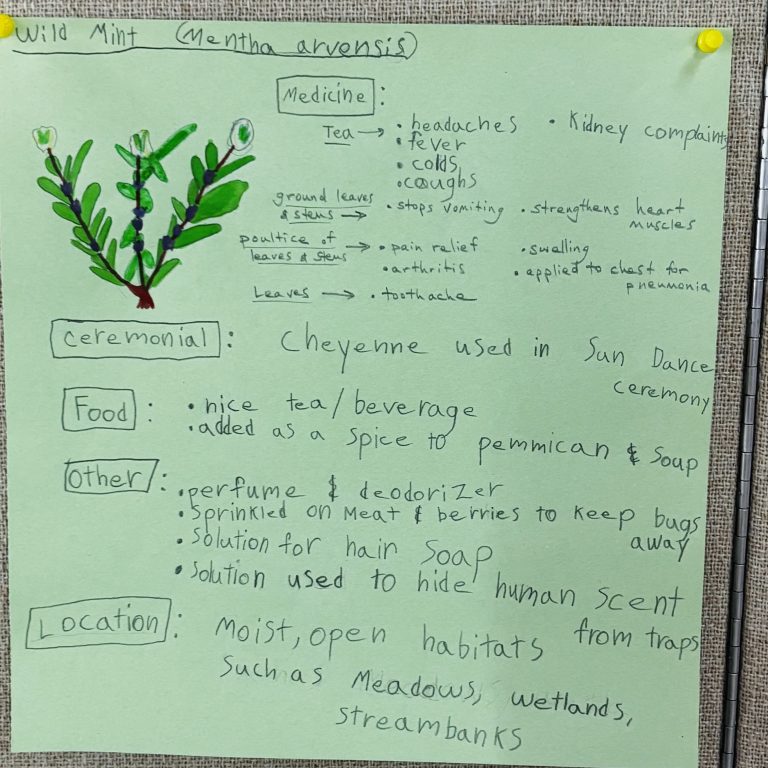
When harvesting, we gently lifted the plants up to look at the roots. We noticed all three plants’ root systems grow differently. The mint roots are starting to send out runners, which is how they quickly spread across wetland areas. We plan to clip some and the sprouting roots in pots with soil.
Now that the plants have large leaves and are rapidly growing, we have noted we need to fill the water reserve more often. Here’s how much water we have added to the system, thus far:
1/7/26: set up system with 3L of water; planted seeds
1/10/26: miner’s lettuce and pineapple weed germinated
2/2/26: added 300mL of water; all mint plants have germinated; all plants growing
2/16/26: added 700mL of water; everything growing well
2/23/26: added 850mL of water
We like to take a clipping of the pineapple weed, rub it between are hands, and then breathe deeply. It’s refreshing and centering. The pineapple weed is getting a more pineapple scent, as it matures. The mint is stronger flavored and smelling, too. We love all of these new plants growing in our system!
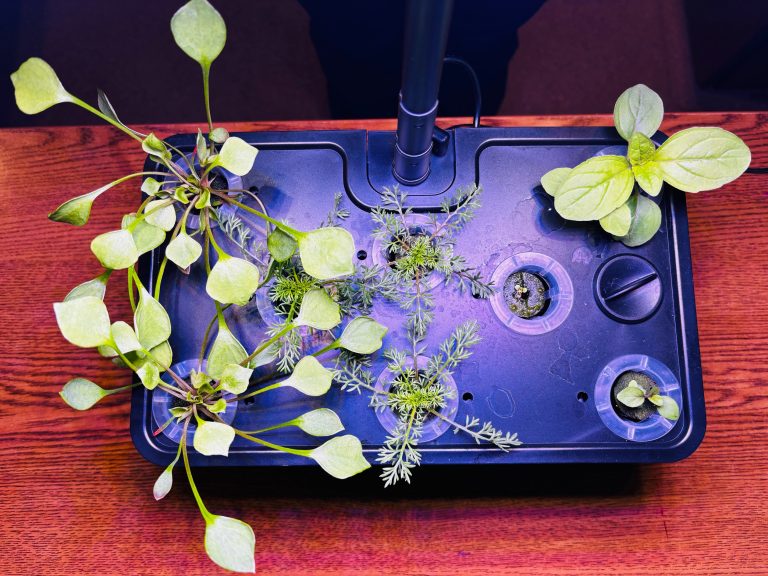
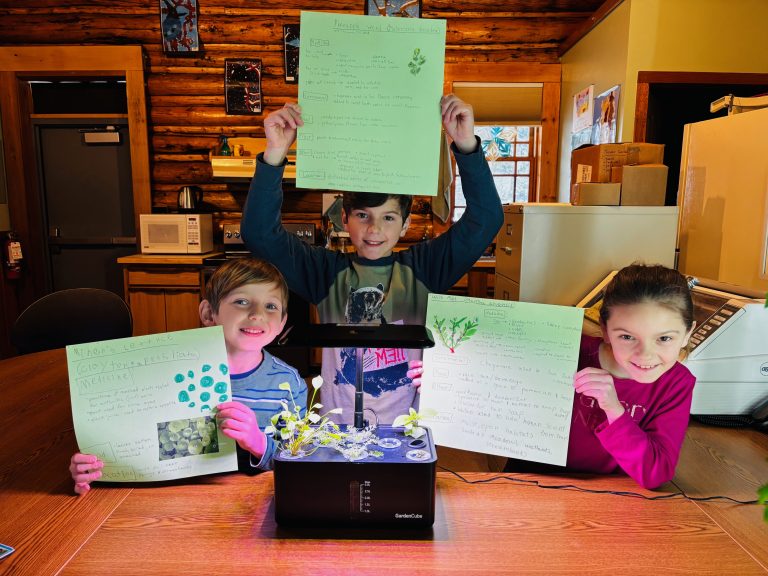
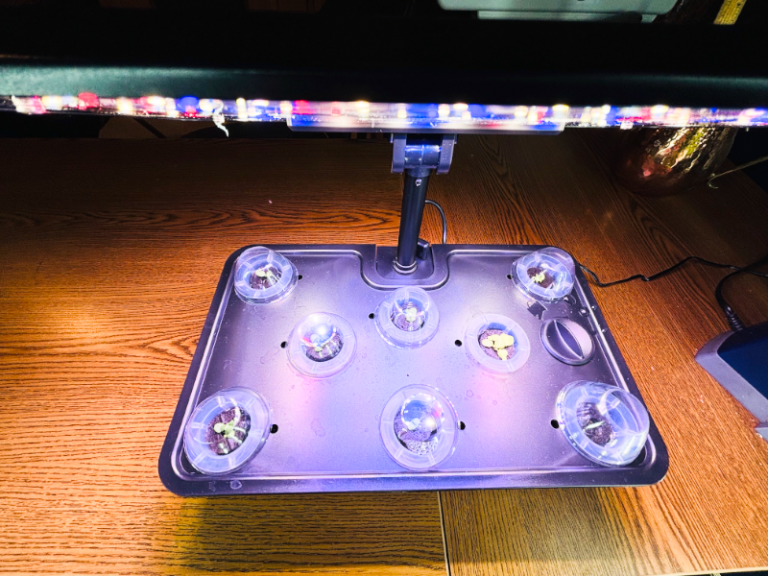
It’s been 5 weeks since we planted these seeds. This group of two native plants and one naturalized plant have been much slower to establish than the lettuce and basil plants. With patience and a bit of extra care, they are growing strong now.
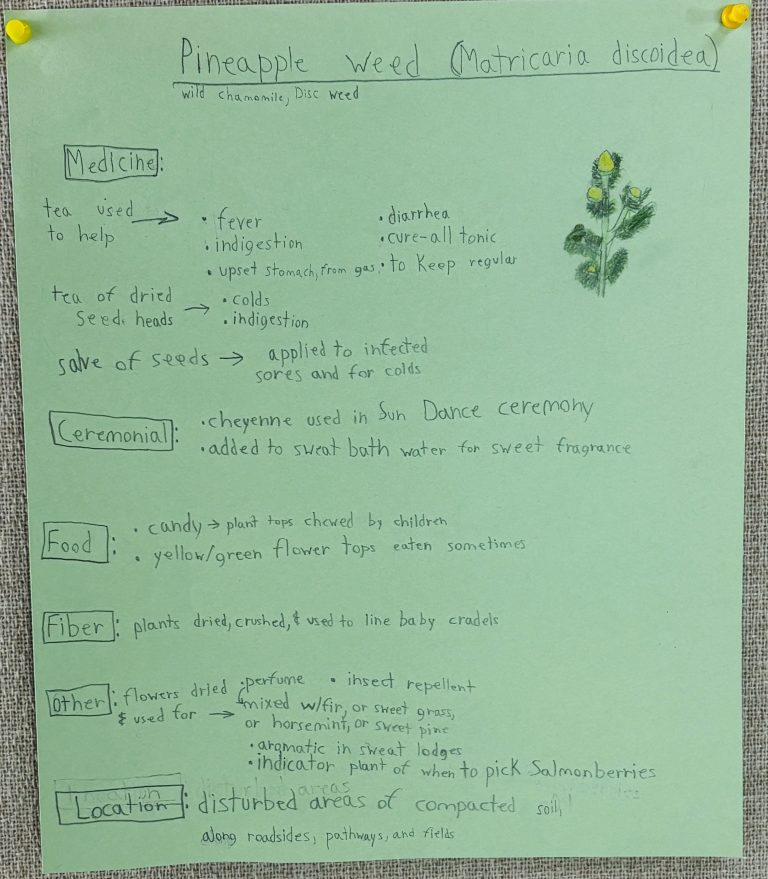
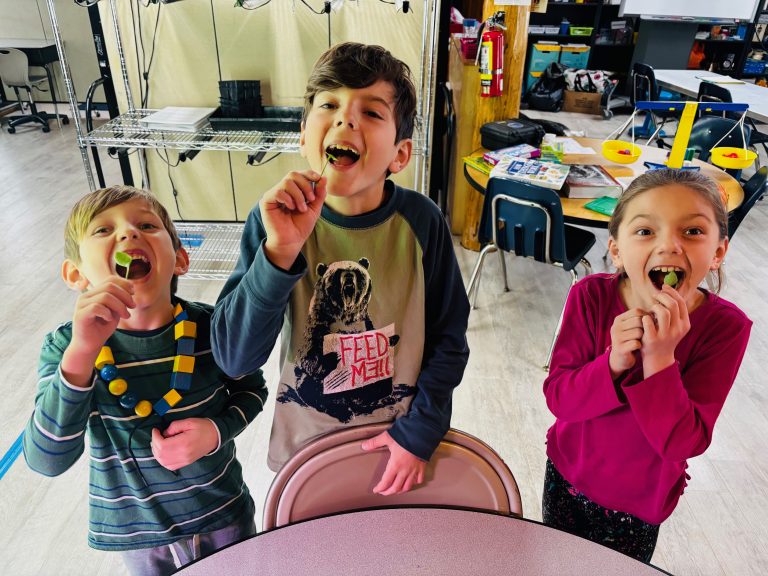
We sampled the miner’s lettuce, which has a delicious nutty flavor. We freshened our breath with a piece of mint from the largest plant that we cut into quarters to share. And we rolled a piece of pineapple weed in our hands to see if the pineapple scent is present. Although the crushed leaf smelled good, it has not taken on a strong pineapple scent yet. We are pleased with the growth of these plants.
Using the reference book, “Native American Ethnobotany” (Moerman, 1998), the students researched the usage of these plants, drew a picture of the plant, and made a poster to highlight the importance of each plant (medicine, food, fiber, ceremony). We look forward to more snacks of tasty miner’s lettuce leaves and making tea with the mint leaves.
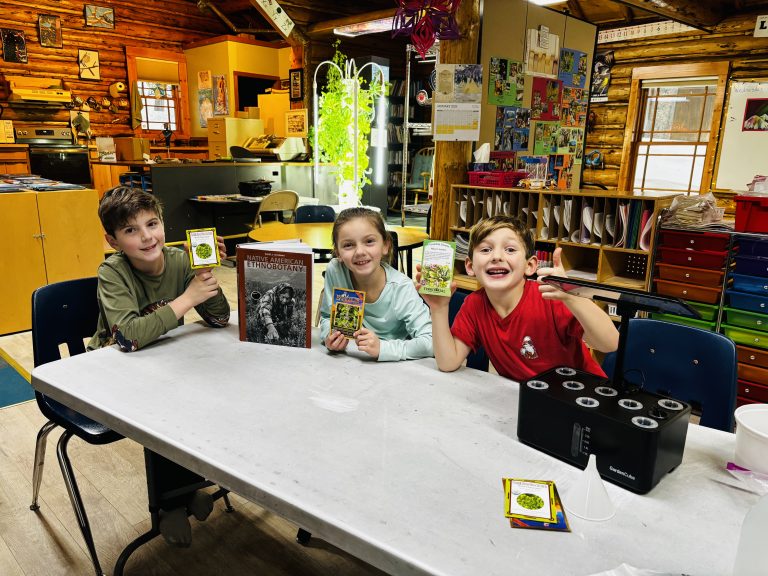
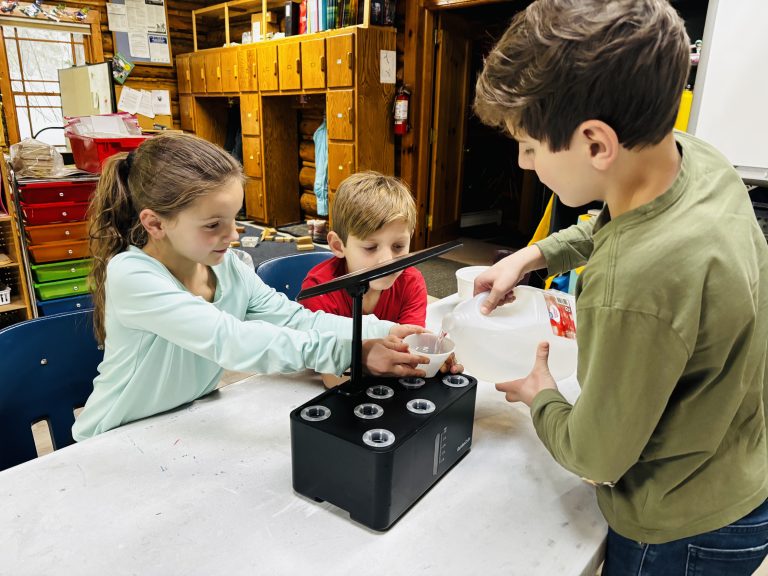
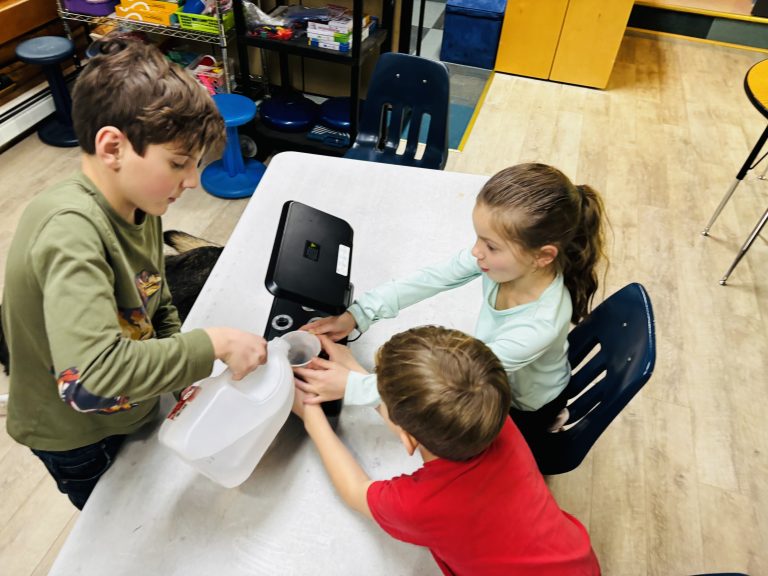
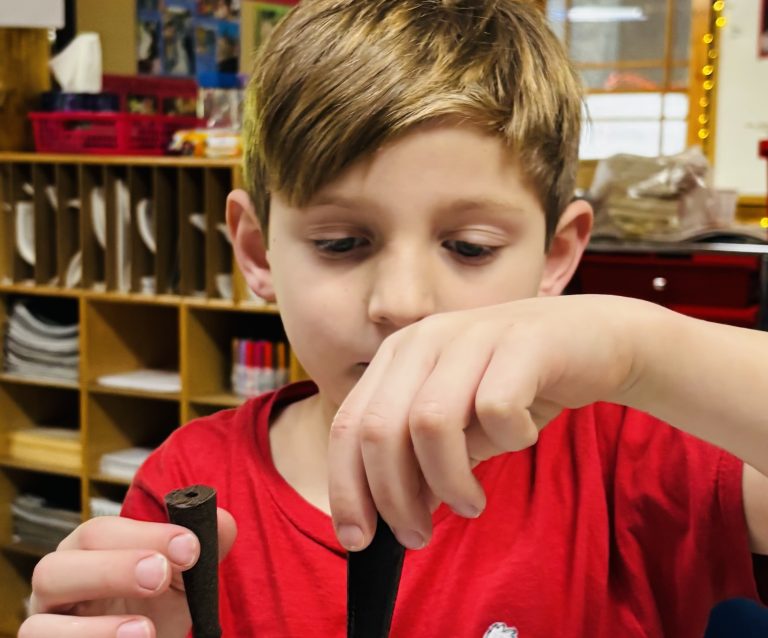
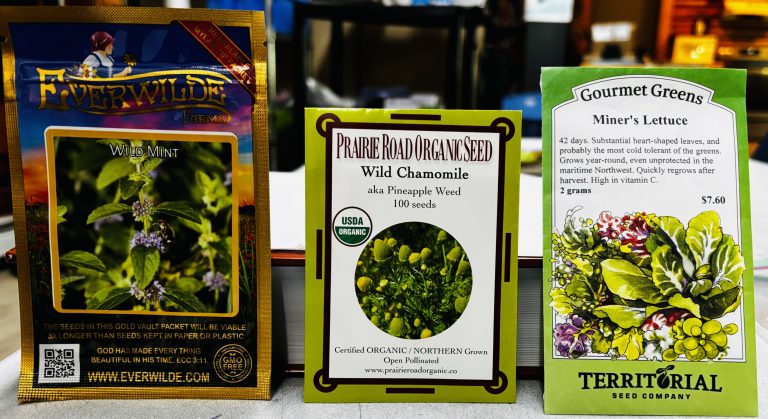
Cooke City School replanted the hydroponic system the afternoon of Wednesday, January 7th, 2026. For this second round, we selected two plant species native to Montana, and one species native to the Pacific Northwest that has successfully naturalized itself in Montana, as well as across North America.
Pineapple weed (Matricaria discoidea) is well established at Cooke City School. In the summer, the plants grow wild all around the compost enclosure fence. The students love the sweet pineapple smell that is emitted when the leaves are crushed.
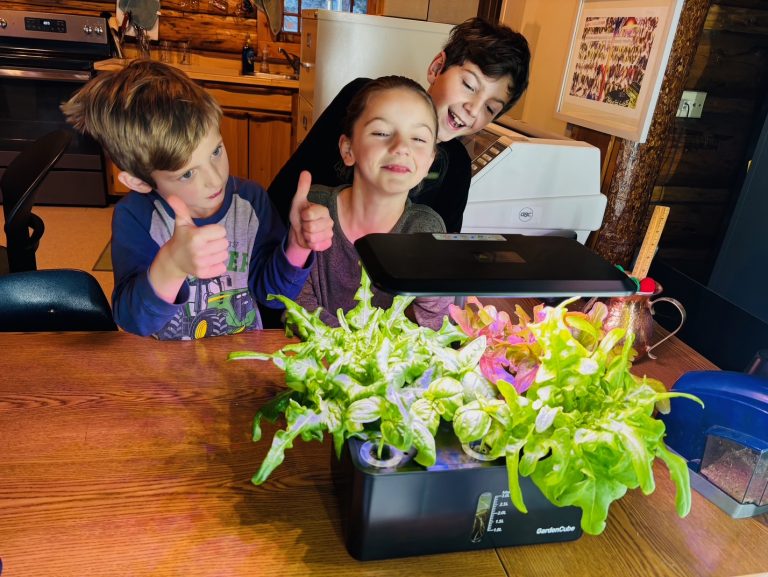
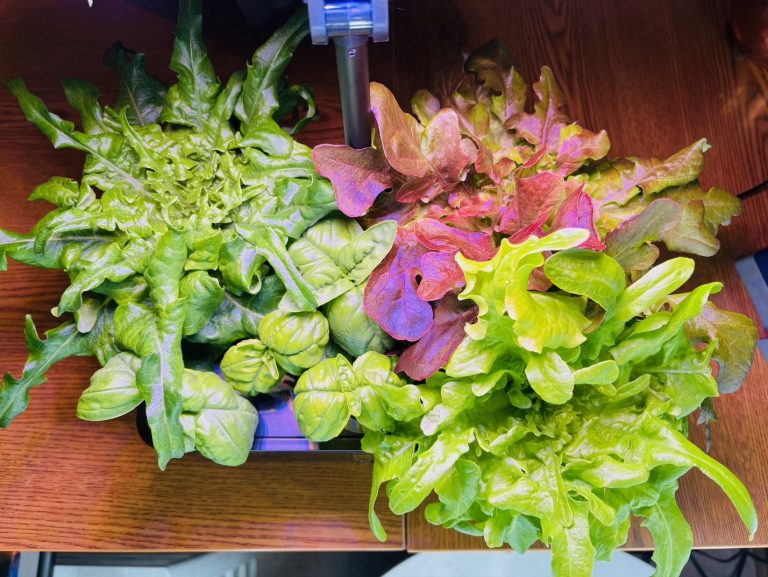
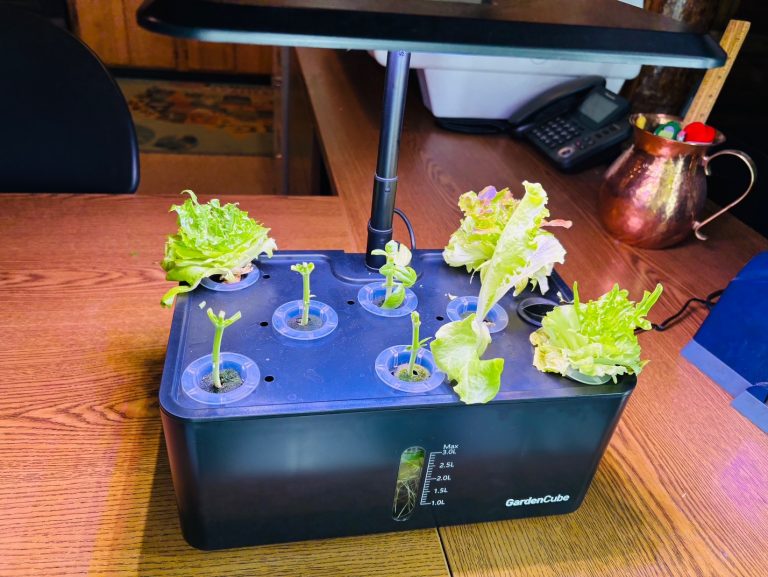
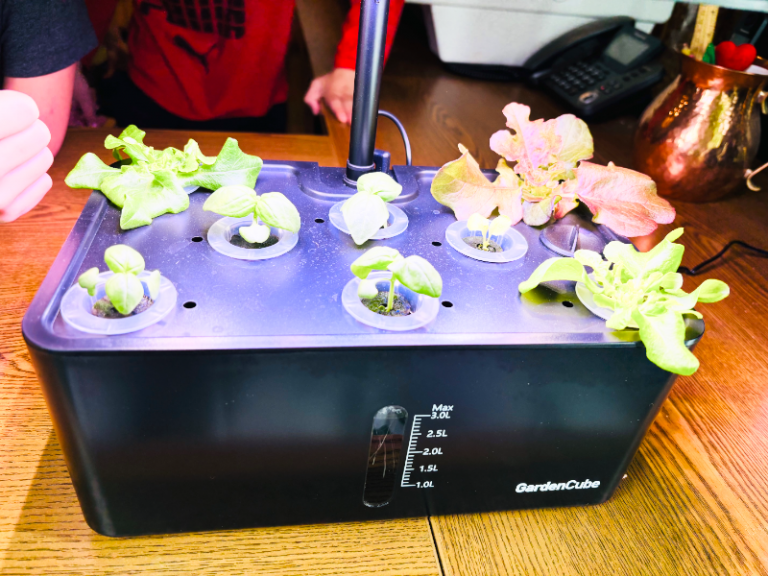
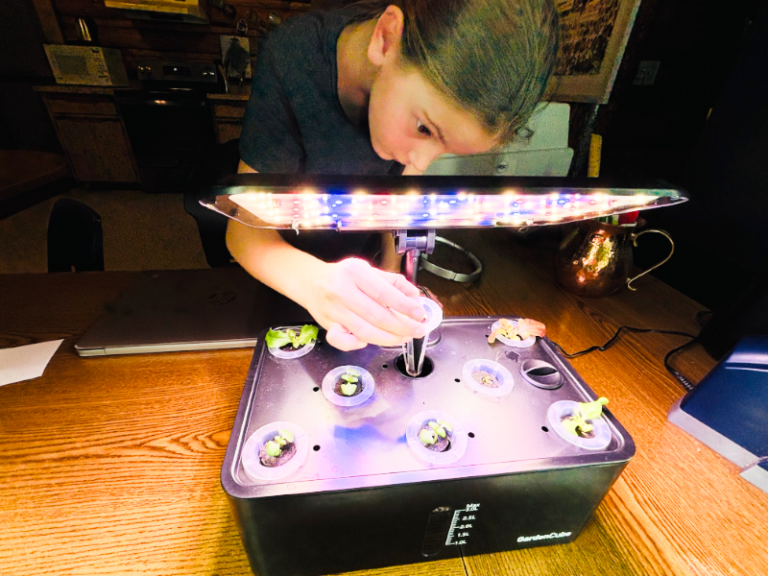
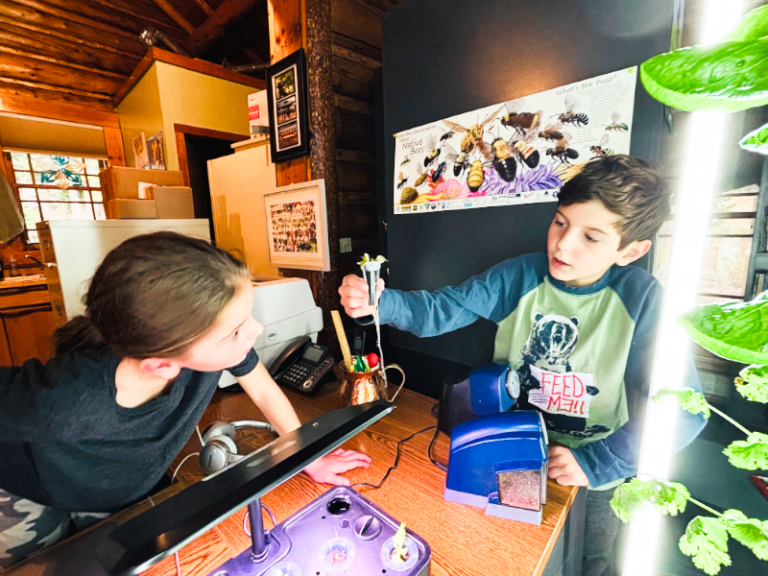
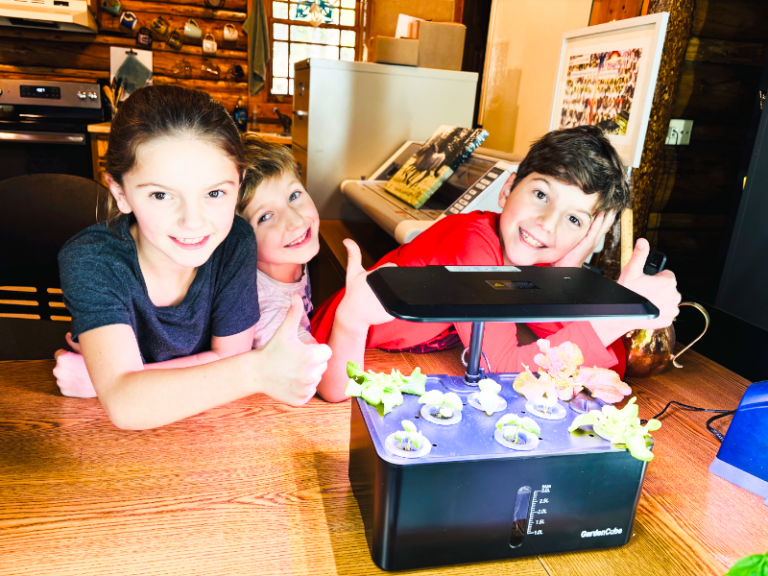
The attached photos were taken 5 weeks after planting the seeds. We harvested the plants on Monday, December 1st, sending a beautiful sack of mixed lettuce home with the students. We’re curious how the lettuce will regrow.
Following winter break, we will most likely replant. The plants are using a lot of water. The level of water in the small holding tank drops significantly after only a few days. Because of winter break, I’ll either find a caretaker for the system or will stop growing and restart with new seeds in January
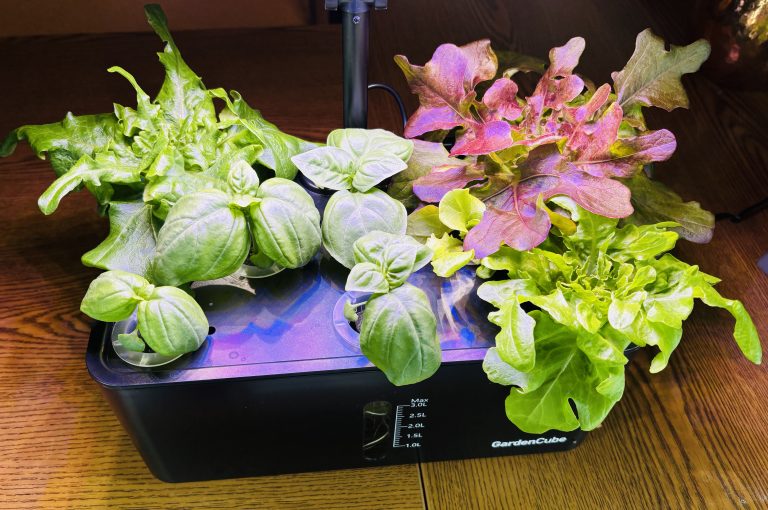
This picture was taken yesterday, 4 weeks from initial planting of seeds (actually 2 days shy of planting to be exact).
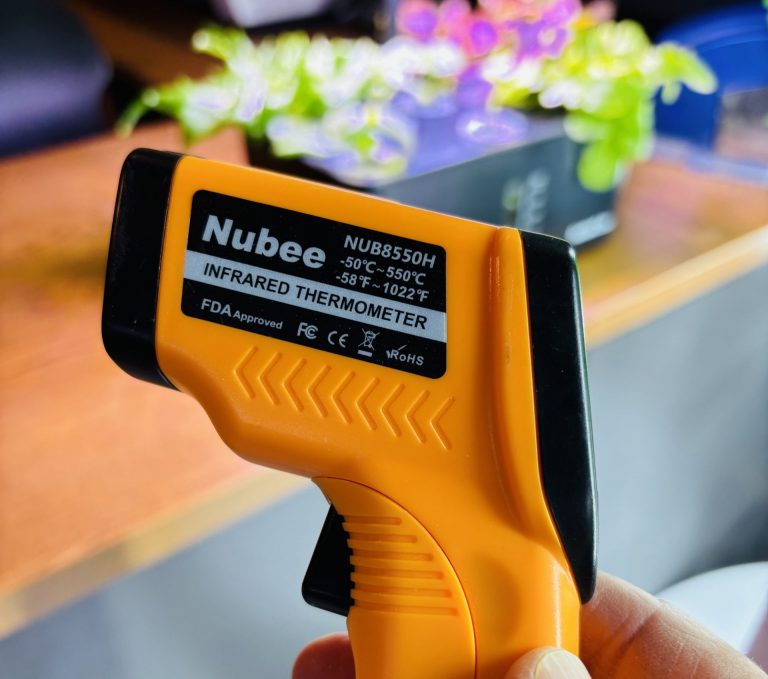
I was uncertain if the basil would be happy in our cold classroom. However, the system’s lights add enough additional heat. The black plastic is 10-12 (F) degrees warmer than our classroom. The leaves of the plants are ~5 degrees warmer, making for an acceptable Mediterranean climate.
We’re using a handheld infrared thermometer to measure the surface temperature. Our classroom is heated by a small boiler system set at 65 degrees. All objects (table tops…etc) read a consistent 65 degrees, except under those powerful little LED lights.
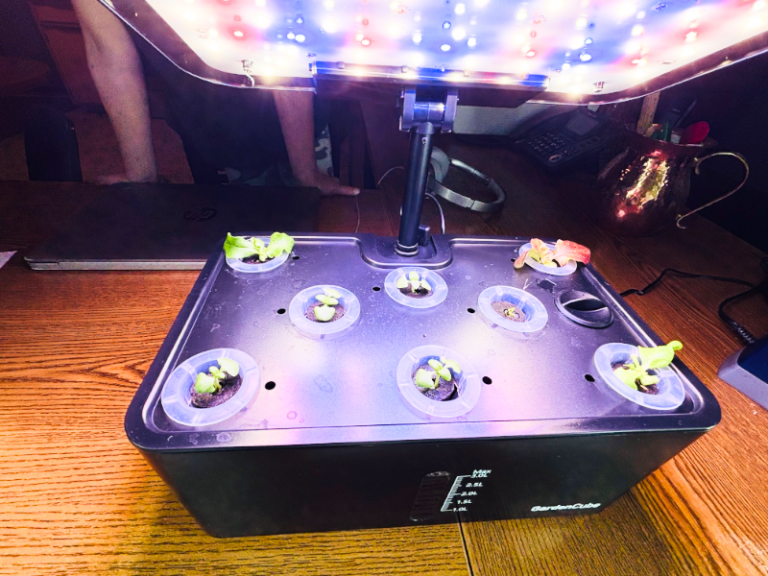
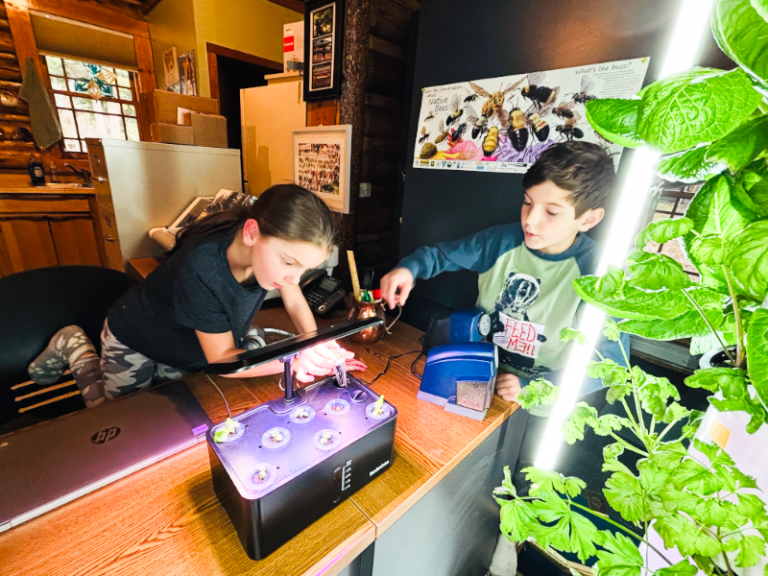
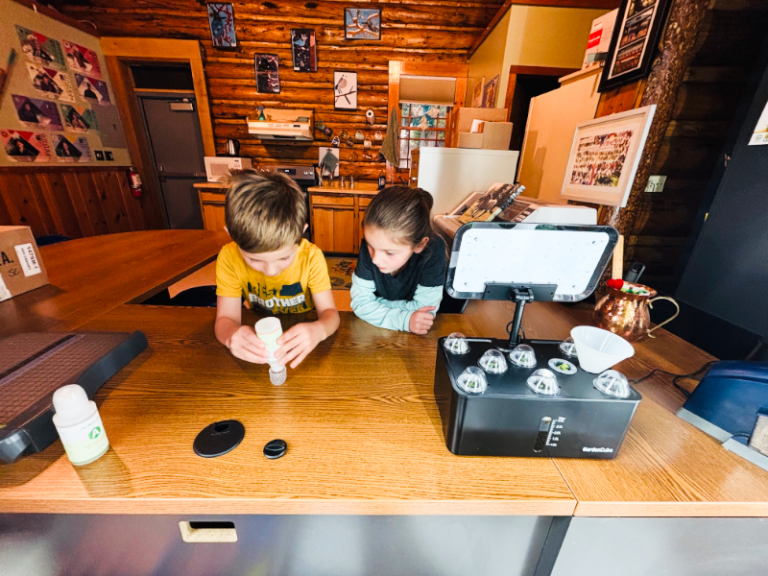
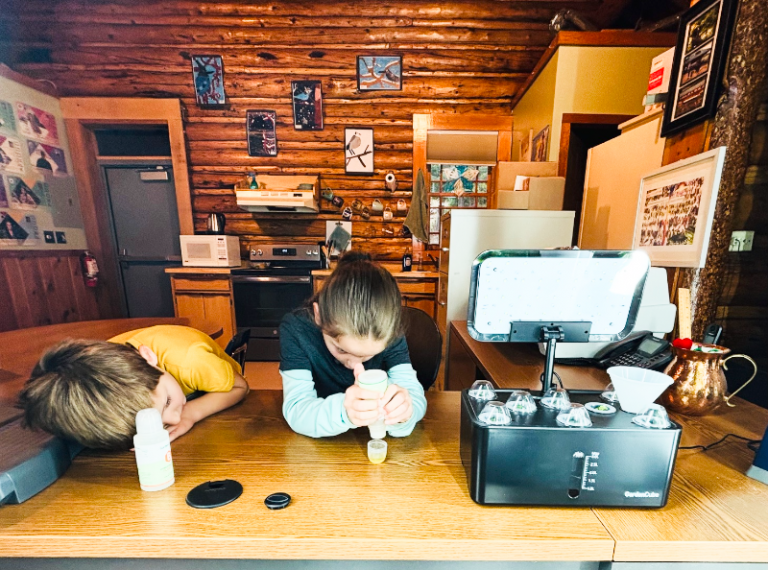
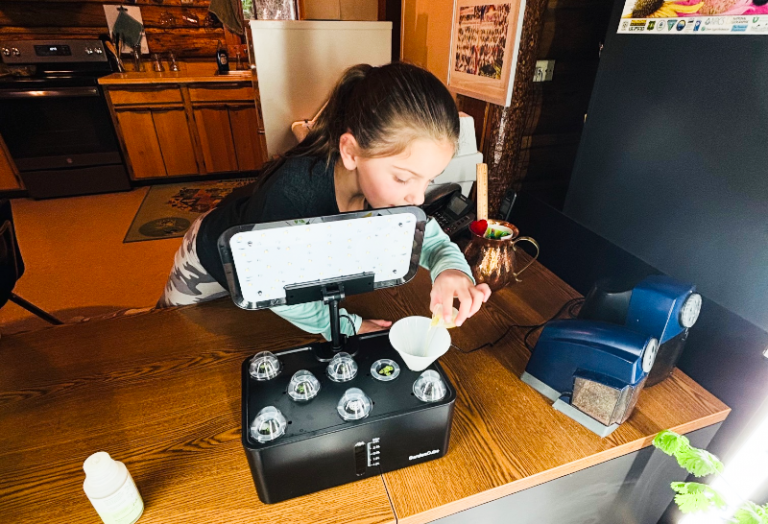
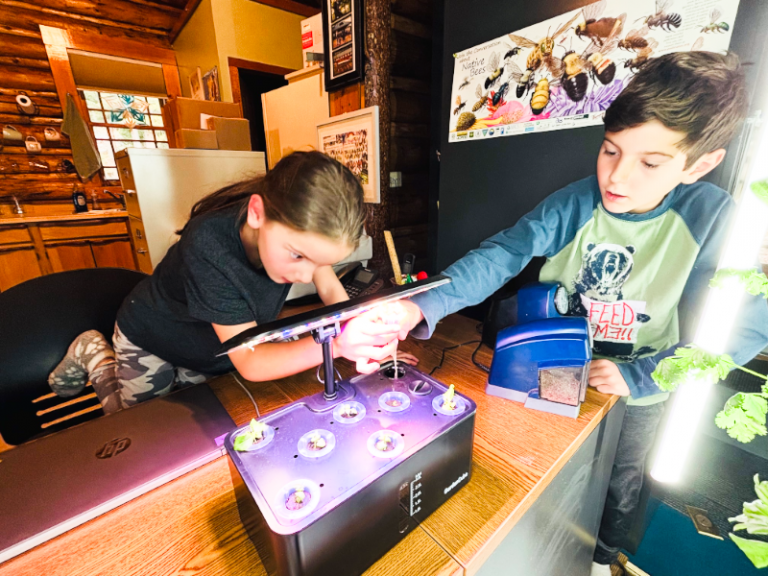
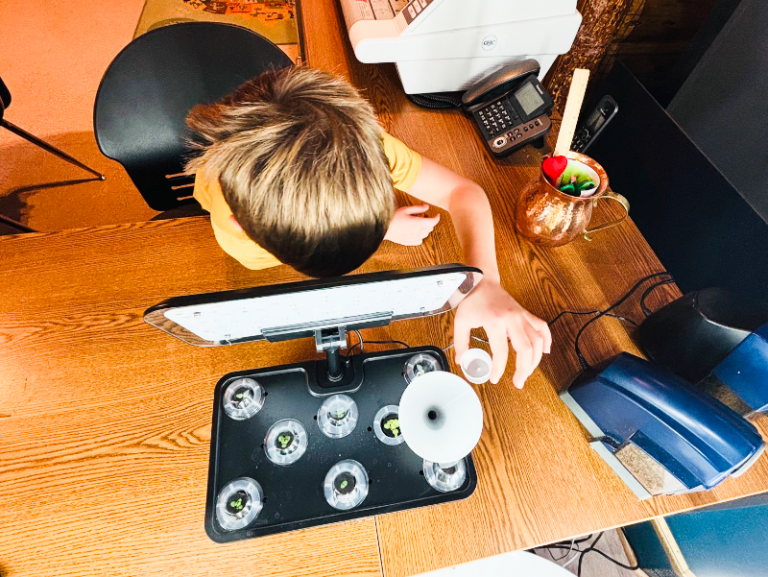
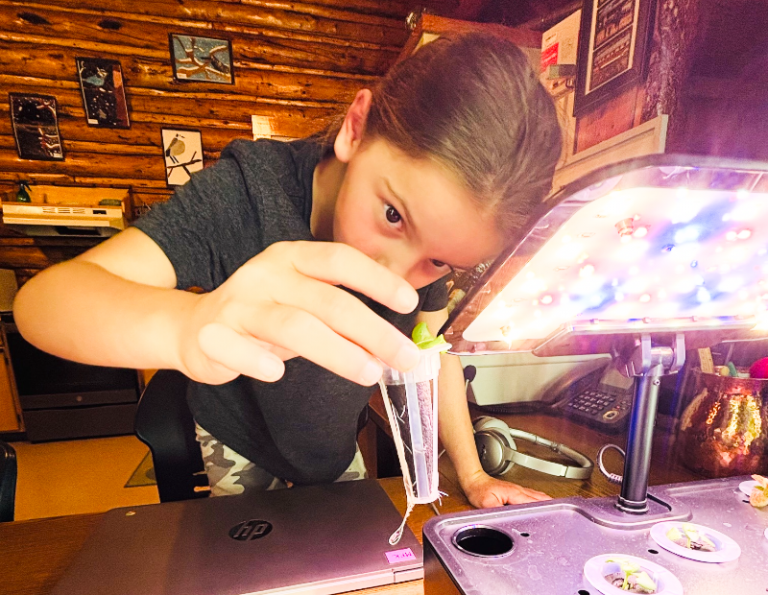
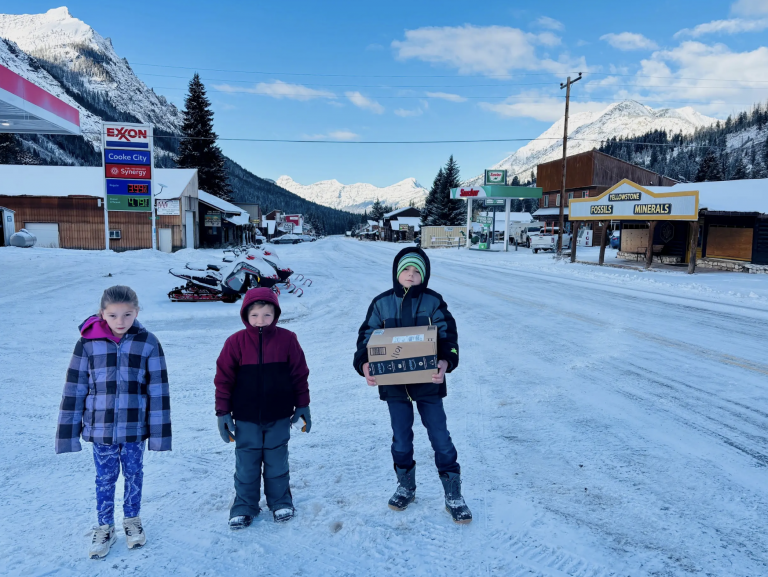
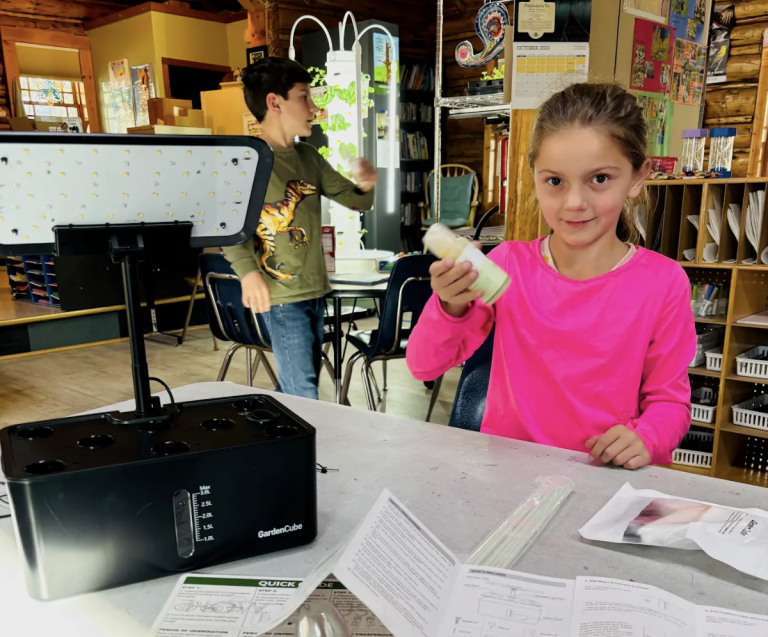
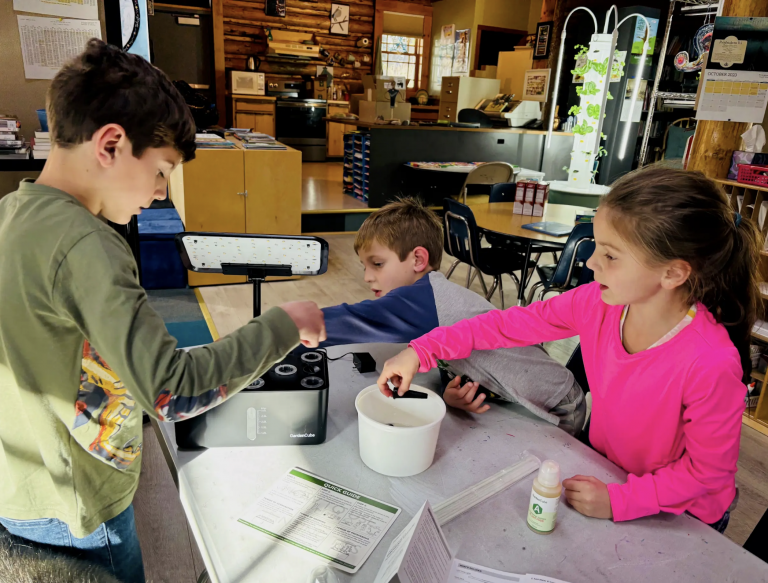
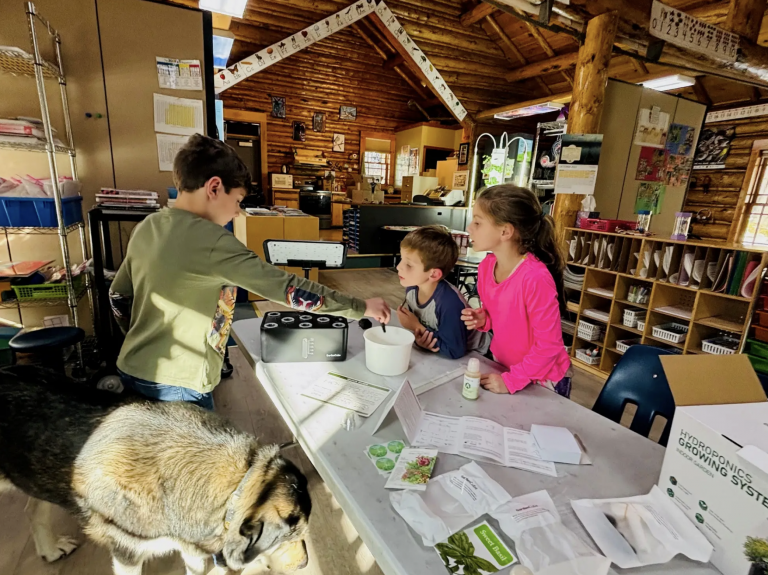
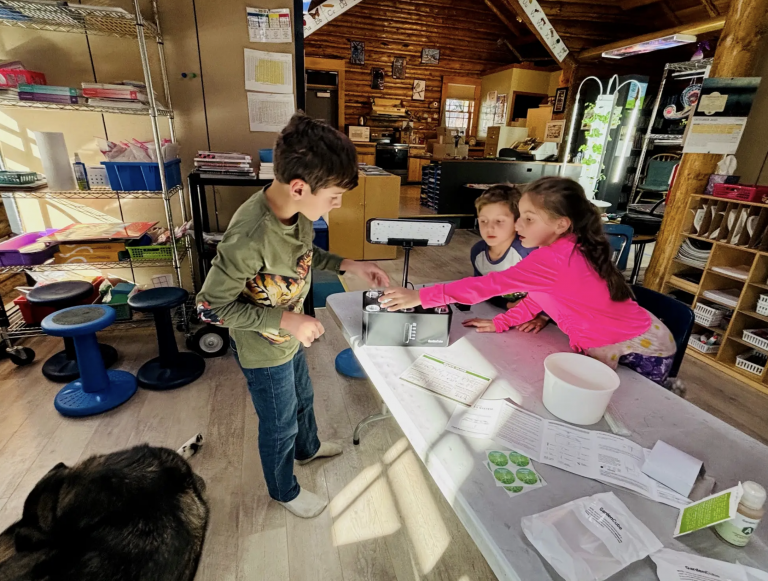
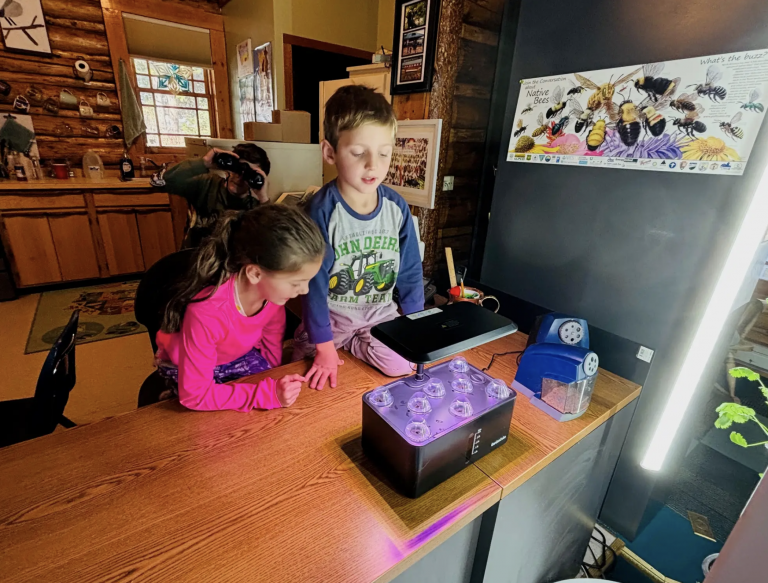
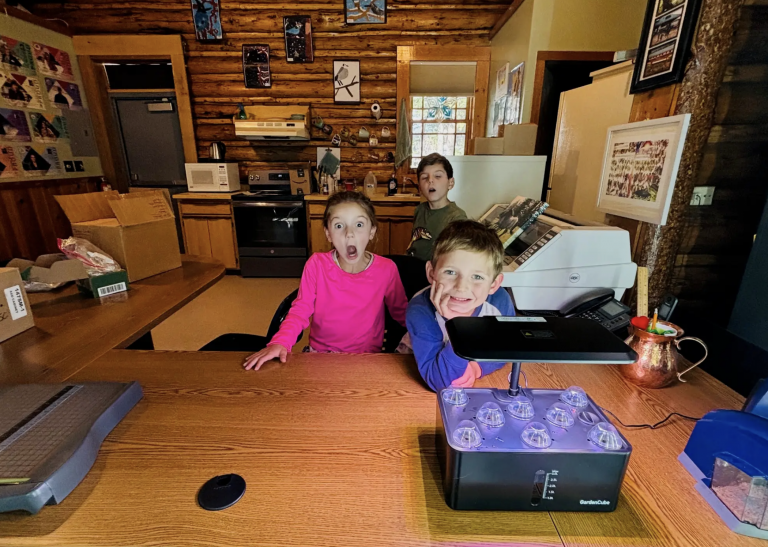
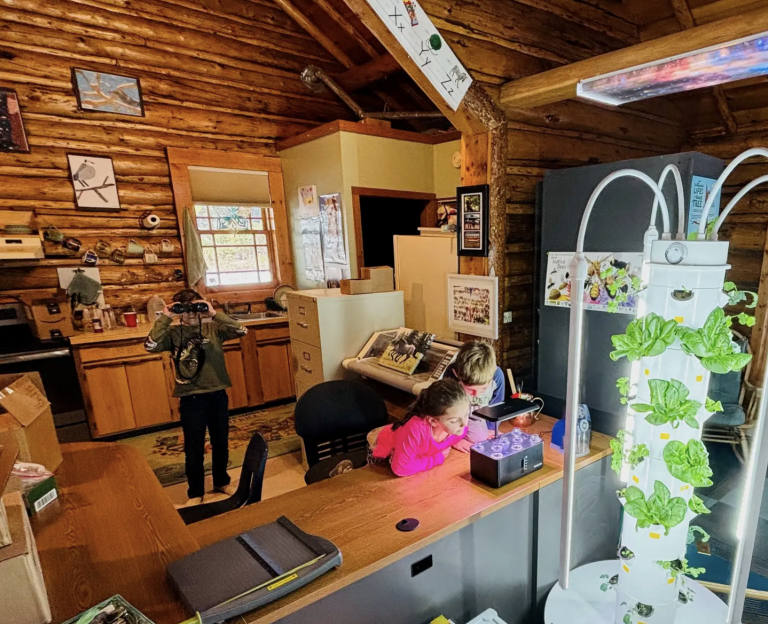
This morning, the students and I picked up the hydroponic growing system from the post office. It was a chilly 6 degrees; thus, the students’ stellar expressions in the photo with our between-season shutdown town in the background. The Exxon gas station is the only business open right now between Cooke City and Silver Gate, plus two hotels. 🙂 We’re a frozen modern ghost town.